


Did you know that brands using artificial intelligence in their marketing efforts are up to 50% more likely to experience a measurable lift in online visibility and engagement? As digital platforms become more crowded, leveraging the right AI tools is the difference between being lost in the noise or standing out as a beacon in your industry. In this comprehensive guide, we explore how you can boost visibility with AI marketing—giving your brand a true competitive edge in 2024 and beyond.
Revealing the Power to Boost Visibility with AI Marketing
For modern marketers seeking effective ways to elevate brand visibility, AI marketing isn’t just a passing trend—it's a transformative force. The convergence of AI models, AI assistants, and advanced engine optimization now enables marketing teams to reach their audience in more personalized and scalable ways than ever before. Using automated AI tools for tasks like real-time content adjustments, search engine optimization, and dynamic ad placements, brands can respond instantly to shifting trends and customer needs. This unprecedented agility lets your business appear at the top of search results, ensuring that your message isn’t just seen, but also resonates.
The real power lies in how AI-based systems learn and adapt, using enormous datasets to refine campaigns, spot opportunities, and anticipate market changes. Leading brands are moving beyond traditional SEO to adopt generative engine optimization—a cutting-edge approach where AI not only helps you get found but also dynamically tailors the experience for individual users. The potential to boost visibility with AI marketing doesn’t just result in more clicks. It means deeper engagement, increased trust, and an ever-expanding digital footprint that future-proofs your brand’s online presence.
A Surprising Fact: How AI is Shaping Brand Visibility
AI systems are revolutionizing brand visibility by powering behind-the-scenes functions like predictive analytics and dynamic keyword targeting. For example, major search engines are increasingly using large language models to interpret user intent and promote brands that present optimized, high-quality content. As a result, brands leveraging AI visibility tools often see rapid increases in both reach and relevance. From AI search to highly targeted social ads, companies that harness this technology achieve a substantial edge in hyper-competitive environments. Whether you are a startup or a well-established organization, incorporating AI tools and assistants into your marketing strategy activates a new era of opportunity.
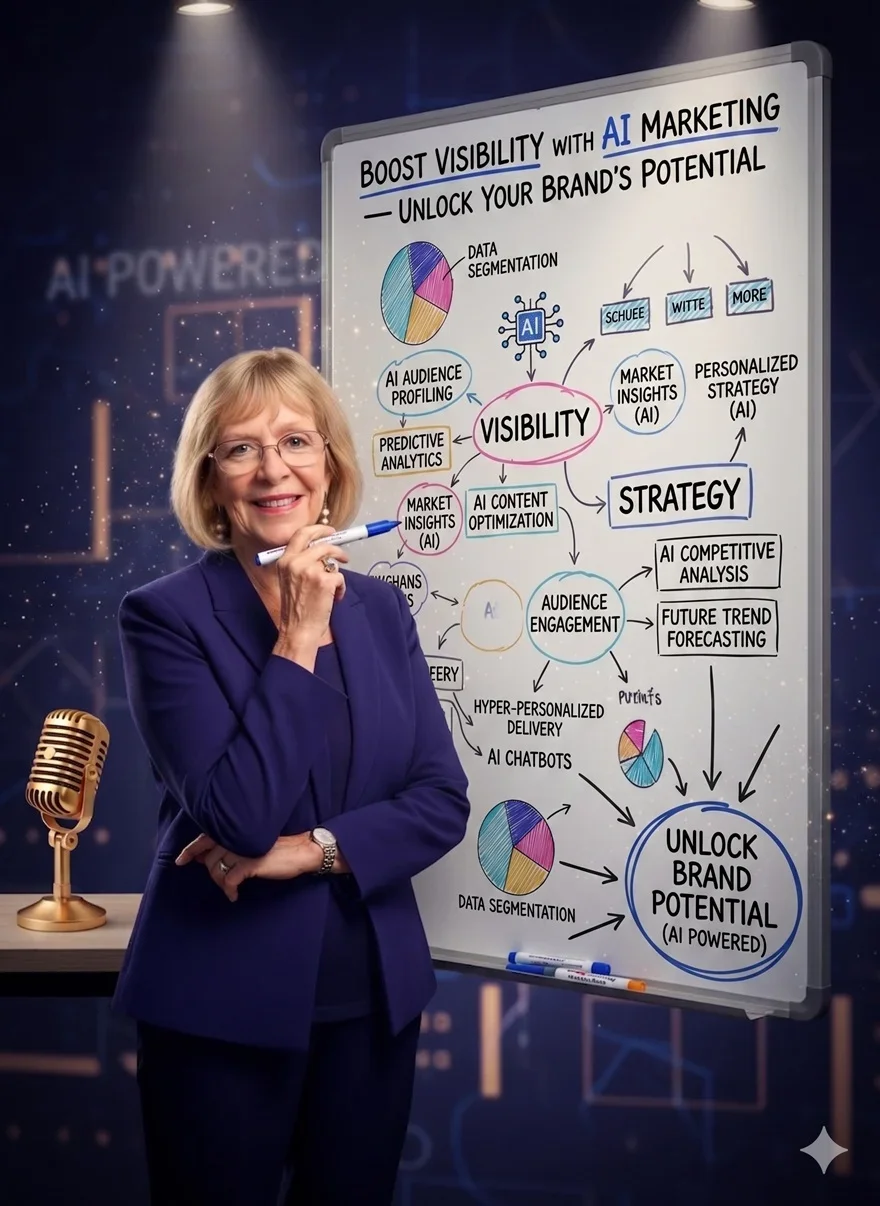
What You’ll Learn About How to Boost Visibility with AI Marketing
The fundamentals of AI marketing for brand visibility
Tactical ways brands use AI tools for visibility
The role of AI assistants and generative engine optimization
How to select and measure the right AI marketing strategy
Understanding AI Visibility in Modern Marketing
Modern marketing is undergoing a fundamental transformation as AI visibility technology becomes central to strategic success. AI visibility means the ability for brands to use AI platforms and tools to enhance their presence across digital channels, ensuring that marketing messages surface at the right time, in the right context, for each unique user. This goes well beyond simple algorithms; today’s advanced AI models analyze real-time data, adapt messages instantly, and can even anticipate shifts in consumer behavior. As a result, brands that invest in AI-driven marketing strategies are better positioned to stand out among fierce competition, especially in search engines and social platforms that now prioritize relevant, AI-optimized content.
The impact of AI visibility isn’t just technical—it reshapes how marketing teams approach every campaign. By using sophisticated AI tools and assistants, brands can drive higher engagement rates, earn more meaningful brand mentions, and ultimately see a dramatic increase in overall brand visibility. This evolution allows marketers to focus more on strategy and creative innovation while AI models handle repetitive tasks and real-time optimizations. In today’s landscape, embracing AI visibility is no longer optional but critical for those looking to maximize their reach and impact.
Defining AI Visibility and Its Impact on Brand Visibility
At its core, AI visibility refers to how well your brand or content is surfaced and highlighted by AI-powered systems—such as search engines, answer engines, and AI assistants. This visibility isn’t just about being present; it’s about being prioritized and found in moments that matter. AI visibility techniques—like using structured data, advanced keyword research, and dynamic content optimization—allow brands to rise above competitors in crowded digital marketplaces. These tactics ensure your campaigns remain effective, even as search engine algorithms constantly evolve.
The broader impact on brand visibility is substantial. By relying on data-driven AI platforms, marketers can zero in on what truly resonates with target audiences, identify new market opportunities, and refine their messaging with unparalleled speed. The shift toward AI-driven engine optimization means that brands can adapt in real time, responding to market shifts and consumer expectations faster than ever before.
Insight: Quote from Industry Leader on AI Visibility
"AI visibility is transforming how brands engage with audiences and stand out in saturated markets."
How AI Tools Fuel Engine Optimization and Brand Visibility
AI tools are now at the center of effective engine optimization strategies. Whether it’s through AI-powered content creation, AI search insights, or automated social media scheduling, these sophisticated platforms give marketers detailed guidance on how to improve search rankings and brand visibility. AI marketing tools use models that analyze large datasets, identify trends, and deploy content that aligns with what consumers are actually searching for. The shift from manual SEO tactics to AI-driven strategies allows for greater scalability, precision, and sustained visibility in the ever-changing world of digital marketing.
As the marketing landscape evolves, leveraging advanced AI tools—such as large language models, AI assistants, and adaptive content engines—becomes essential for brands aiming to stay visible and relevant. These innovations don’t just automate tasks; they introduce dynamic, data-fueled strategies that adapt to trends in real time, ensuring your brand is always one step ahead.
Exploring Essential AI Tools for Modern Marketing Strategy
Content creation tools powered by AI: Automatically generate, optimize, and adapt marketing content to match audience interests and search trends.
AI search and keyword research platforms: Use AI algorithms to analyze data and highlight high-impact keywords, helping you outperform in search results.
Social media automation tools with AI capabilities: Schedule, adjust, and personalize posts across channels, boosting brand visibility at scale.

The Role of AI Assistants in Elevating Brand Visibility
AI assistants and AI models have become indispensable in modern marketing teams, offering real-time support for everything from automated responses to in-depth analytics. These AI-powered helpers ensure rapid and consistent engagement with consumers through website chatbots, voice assistants, and even social media DM automation. What sets AI assistants apart is their ability to be “always on”—capturing leads, answering questions, and providing resources 24/7.
With advanced language model optimization, AI assistants can interpret and respond to nuanced user queries, delivering accurate information that enhances your brand’s credibility and visibility. Moreover, by integrating AI assistants into your digital marketing landscape, your brand can maintain a constant presence, strengthening relationships and keeping your business top of mind even outside typical business hours.
Generative Engine Optimization: The Future of Brand Visibility
Generative engine optimization represents the next frontier for businesses determined to boost visibility with AI marketing. This advanced approach uses generative AI models to create and adapt content that’s highly relevant and engaging. Unlike traditional SEO, where keywords and metadata were central, generative engine tactics leverage real-time data and audience interactions to automatically adjust everything from web copy to FAQ responses. This dynamic system ensures brands aren’t just visible, but their content is always fresh, personalized, and engaging.
As more consumers rely on answer engines and AI-powered assistants, generative engine optimization positions your content as the preferred resource—whether users are asking Siri, Alexa, or searching directly on Google’s AI-powered search results. This is not just about surviving algorithm updates—it's about thriving in the age of intelligent engine optimization.
How Generative Engine Optimization Works to Boost Visibility with AI Marketing
Generative engine optimization relies on sophisticated language models to continually refine and deliver the ideal content for every query. These models interpret structured data, track trending topics, and analyze user intent, providing answers directly and intuitively. For marketers, this means no longer having to chase algorithm changes; instead, AI marketing solutions adjust your web pages, blog posts, and digital profiles in real time—so your brand remains visible and relevant.
Think of it as AI-driven content evolution. With each interaction or new search query, the generative engine learns, optimizes, and deploys the most impactful messaging possible. The result? Better engine optimization, higher placement in answer engines, and a reputation for providing authoritative solutions in your industry.
Case Study: Successful Brand Growth Using Generative Engine Tactics
Consider a mid-sized e-commerce company that integrated generative engine optimization into its digital marketing strategy. They implemented AI-powered keyword research tools, automated content generation, and AI assistants to answer live customer questions. Within months, their brand’s online visibility improved significantly — with their web pages ranking higher on major search engines and answer engines, and their social media engagement rates noticeably increasing.
Their success was rooted in the AI system’s ability to adapt content using AI models that anticipated user intent and improved structured data optimization. By monitoring search trends, user behavior, and feedback in real time, this marketing team achieved lasting results in a highly competitive market.

Answer Engines and AI Assistants: Revolutionizing Brand Interactions
Answer engines and AI assistants are rapidly overtaking traditional search in influencing how customers discover brands. Unlike basic search engines, answer engines use advanced AI models and large language models to understand and directly address user inquiries. Instead of just providing links, answer engines deliver precise answers—many times in the form of featured snippets, voice responses, or chatbot interactions. This helps brands gain a new kind of visibility: being the definitive source in the moment users need information most.
Integrating AI assistants such as chatbots, call routing systems, and virtual help desks ensures your brand is responsive and accessible 24/7. These AI systems allow for seamless, automated communication, collecting data and offering insights that further improve engine optimization and strategic marketing decisions.
How Brands Harness AI Assistants for Enhanced Visibility
Marketers are unlocking new strategies with AI assistants by providing personalized support tailored to each visitor’s needs. For instance, integrating chatbots powered by large language models not only boosts engagement but also increases the chances of higher rankings across answer engines and search engines. By automating frequently asked questions, offering resources in real time, and assisting customers with purchase decisions, AI assistants help brands establish authority and trust.
As AI models become more sophisticated, these assistants leverage structured data and real-time analytics to make smarter recommendations and smoother customer journeys. This increased personalization and instant availability significantly bolster brand visibility and overall customer satisfaction.
Answer Engines vs. Traditional Search: A Comparative Approach
While traditional search engines generate pages of links for users to sift through, answer engines—backed by AI tools—deliver direct, relevant answers. This means that brands optimized for answer engines have a higher chance of being seen as the “go-to” source for precise questions. The rise of AI assistants, which can field complex queries and execute follow-up tasks, exemplifies this evolution.
In comparison to the manual, often slow updates needed for traditional search optimization, answer engines powered by AI can adapt content and responses in near real time. This level of agility allows brands to maintain and boost visibility across platforms, delivering a superior user experience, driving higher engagement, and establishing lasting brand loyalty.
Crafting a Smart AI Marketing Strategy for Brand Visibility
Developing a successful AI-driven marketing strategy requires intentionality and continuous refinement. Marketers must not only select the right AI platforms and tools, but also align every technological asset with clear business objectives. From AI-powered search and generative engine optimization to personalized answer engines, creating a strategy built on actionable data ensures brands can nimbly respond to market shifts and maximize their online visibility.
Effective strategies often include periodic audits of existing processes, adopting best-in-class AI models, and seamless integration of AI assistants for all customer touchpoints. The goal: not just keeping up, but consistently leading the pack.
Key Steps in Developing an AI-Driven Marketing Strategy
Define objectives for boosting brand visibility: Set clear, measurable goals focused on engagement, reach, or conversion.
Audit current tools and processes: Identify gaps where AI tools, platforms, or assistants can improve performance.
Incorporate generative AI and answer engine optimization: Use advanced AI tools to optimize content and boost visibility across new and existing channels.
Measure and refine strategy continuously: Use AI analytics to assess progress and make data-driven adjustments for ongoing success.
Aligning AI Tools with Business Goals
The most successful brands integrate AI marketing tools with their unique business objectives. Whether aiming for increased brand mentions, higher conversion rates, or greater audience retention, selecting the right combination of AI models and assistants is vital. Regular consultation between marketing teams and technology experts ensures that AI-powered solutions are always working in alignment with the latest market trends and organizational priorities.
It’s equally important to train staff on understanding and utilizing these advanced systems, keeping the brand agile as AI technology evolves. This synergy of skilled human input and adaptive AI model optimization provides the solid foundation needed for transformative growth and sustained visibility.
AI-Powered Keyword Research: The Backbone of Engine Optimization

AI-powered keyword research has become the backbone of modern engine optimization. Unlike manual keyword selection, these AI platforms utilize advanced data analysis, predictive modeling, and real-time trend tracking to pinpoint high-impact search terms. Marketers can quickly discover what their target audience is searching for, how competitive certain phrases are, and which keywords align best with overall business goals.
With AI search and keyword research tools, brands gain a significant edge by swiftly adapting their content strategies. These platforms harness the capabilities of large language models and AI assistants, simplifying the complex process of optimizing pages for both traditional search engines and emerging answer engines.
Harnessing AI Search and Keyword Analysis for Visibility
Harnessing AI search and keyword analysis means tapping into engines and AI that deliver almost instant feedback about market trends. This allows marketing teams to optimize for both long-tail keywords and emerging topics, ensuring every piece of content remains relevant and discoverable. From blogs to product listings, AI-powered tools scan billions of searches and make real-time recommendations—eliminating the guesswork from SEO and supercharging your brand visibility.
Moreover, with features like competitor keyword tracking and intent analysis, brands can position their messaging ahead of rivals. This data-driven approach empowers brands to focus on high-growth opportunities, maximizing ROI and keeping content strategies one step ahead.
Benefits of AI-Powered Keyword Research
The benefits of adopting AI-powered keyword research extend far beyond ranking for a few top keywords. These tools enable continuous optimization by providing live updates as algorithms shift. Benefits include deeper audience insights, higher-quality traffic, and better-performing marketing campaigns across every channel.
Additionally, these AI systems simplify access to structured data about search trends, helping brands prioritize efforts that lead to measurable visibility gains. Ultimately, AI-powered keyword research ensures sustained dominance in both existing search engines and the fast-growing world of answer engines.
Comparative Analysis: AI Keyword Research Tools |
||
Tool Name |
Core Features |
Ideal For |
|---|---|---|
AI Keyword Explorer |
Predictive keyword trends, real-time analytics, competitor tracking |
Content strategists, SEO professionals |
GenSEO AI Suite |
Long-tail keyword suggestions, voice search optimization, answer engine targeting |
Brands optimizing for voice and answer engines |
MarketMind AI |
Sentiment analysis, local search integration, audience segmentation |
Local businesses, digital marketers |
Practical Tips to Boost Visibility with AI Marketing
Adopt AI-driven social media scheduling: Keep your brand top of mind with consistent, optimized posts across platforms.
Utilize AI-powered content personalization: Deliver relevant messages that speak directly to each user’s preferences.
Leverage answer engines for FAQ optimization: Provide direct, up-to-date answers to improve chances of being recommended by AI assistants.
Monitor analytics with AI tools: Gain actionable insights by tracking real-time changes in engagement and reach.
Measuring the ROI of AI Tools for Brand Visibility
To truly boost visibility with AI marketing, you need to measure the outcomes of every initiative. Establishing relevant KPIs ensures you can track growth, assess what’s working, and budget for future campaigns with confidence. Leading AI analytics platforms help brands see beyond vanity metrics, providing detailed analysis of engagement, reach, and customer conversion.
Through a balanced mix of monitoring digital brand mentions, adjusting keyword focus, and refining marketing strategies using AI-driven insights, marketers can consistently demonstrate the tangible benefits of leveraging AI tools and assistants for brand visibility.
Establishing KPIs for Engine Optimization Success
Key performance indicators (KPIs) provide the framework for tracking success in engine optimization. Focus areas might include organic search ranking improvements, growth in featured snippets or answer engine recommendations, and increases in qualified traffic. Using AI-powered analytics, marketers can correlate specific actions—such as deploying a new AI content tool or optimizing structured data—to direct increases in brand visibility.
Marketers should also monitor engagement rates driven by AI assistants, time spent on site from answer engine referrals, and improvements in conversion rates spurred by personalized AI-driven content.
Using AI Analytics Platforms for Actionable Insights
Leveraging AI analytics platforms transforms raw data into practical next steps. Whether tracking consumer behavior, monitoring keyword rankings, or analyzing the effectiveness of new AI-powered tools, these platforms provide clarity and focus for ongoing marketing efforts.
Automated alerts, customizable dashboards, and predictive modeling take the guesswork out of performance measurement, enabling agile adjustments and continuous growth in brand visibility.
Overcoming Common AI Marketing Challenges
While AI marketing opens up vast possibilities to boost brand visibility, it also introduces important challenges—especially around data privacy, ethical AI deployment, and unintentional algorithmic bias. Brands must establish clear policies and safeguard measures to ensure ethical use and customer trust as AI-driven visibility solutions expand.
Introducing regular audits, staying compliant with data regulations, and seeking input from both technology and legal teams are all essential to building a responsible, transparent AI marketing program.
Data Privacy and Ethical Considerations in AI Tools
As AI platforms collect and process customer data, brands must pay close attention to privacy concerns and ethical considerations. Transparent data collection practices, robust consent protocols, and secure system architecture are all necessary to ensure customers remain protected.
Ethical AI usage isn’t just about following rules—it’s about building trust. Ethical guidelines also help prevent inadvertent bias in AI models, which can skew search results and reduce brand equity.

Mitigating Algorithm Bias in AI Visibility Solutions
AI models and platforms can inadvertently introduce bias if not properly monitored and tested. Mitigating this risk means consistently reviewing AI-powered outputs, ensuring diverse training datasets, and adapting language model optimization to reflect inclusivity.
Marketing teams should also partner with technical experts to perform regular audits and transparency checks. These steps not only protect against reputational risk but also ensure your brand achieves broad, fair, and accurate visibility across AI-driven channels.
Future Trends: AI Visibility and Generative Engine Optimization
AI marketing technologies are set to continue their rapid evolution. As large language models and answer engines become even more advanced, marketers can expect deeper personalization, faster content generation, and more nuanced understanding of consumer intent.
Emerging platforms will blend generative engine optimization, AI-powered analytics, and next-gen AI assistants, making marketing even more effective and efficient.
Emerging Technologies in AI Marketing
New AI tools are integrating with augmented reality, multichannel voice search, and personalized interactive content. These innovations expand the possibilities for real-time engagement and automated visibility growth.
Marketers who embrace an experimental mindset—testing new AI models, adopting cutting-edge platforms, and integrating broadly across their stack—will position their brands at the forefront of the next digital revolution.
Predictions: Where Will AI Take Engine Optimization Next?
In the coming years, expect answer engines to become the primary entry point for many user searches, with large language models driving automated, conversational user experiences. AI-driven personalization will continue to replace one-size-fits-all campaigns, making every digital interaction unique and impactful.
Brands that manage to align their marketing strategies with rapid AI innovation will enjoy long-term gains in visibility and customer loyalty, staying ahead as search engines and AI platforms continue to evolve.
Frequently Asked Questions on How to Boost Visibility with AI Marketing
How does AI marketing enhance brand visibility?
AI marketing improves brand visibility by leveraging smart algorithms and data analysis to optimize content, target the right audience, and respond instantly to changes in consumer behavior. AI-powered tools and assistants help brands stay ahead of search engine updates and consumer trends, ensuring your content appears prominently across relevant platforms and search results.
What are the best AI tools for marketing?
The best AI tools for marketing vary based on your objectives, but popular choices include generative content platforms, AI keyword research tools, social media automation suites, and AI assistants for live chat. These tools work together to automate repetitive tasks, personalize communication, and maximize engine optimization.
What are answer engines and how do they boost visibility?
Answer engines are advanced search solutions powered by AI models and large language models that provide direct answers to user questions rather than just generating links. They increase brand visibility by surfacing authoritative content in featured snippets and voice responses, positioning your brand as the go-to expert for specific topics and queries.
Is AI marketing suitable for all business sizes?
Yes, AI marketing is scalable and adaptable, making it suitable for businesses of all sizes—from small startups to multinational corporations. AI tools can be tailored to fit various budgets and objectives, ensuring that every brand, regardless of size, can benefit from improved engine optimization and visibility.
How do AI assistants support brand visibility efforts?
AI assistants provide always-on support, answering questions, guiding users, and delivering personalized content. By handling routine tasks and engaging customers proactively, AI assistants not only enhance user experience but also increase the likelihood of your brand being recommended in answer engines and search results.
Expert Quotes on Using AI Tools for Brand Visibility
"Generative engine optimization allows brands to stay ahead by adapting content in real time."
Key Takeaways: How to Boost Visibility with AI Marketing
AI marketing is critical for modern brand visibility.
Generative engine optimization and answer engines drive engagement.
Selecting appropriate AI tools aligns your brand with consumer expectations.
Continuous measurement ensures long-term visibility growth.
Get Started: Unlock Your Brand’s Full Potential
Ready to boost visibility with AI marketing?
Conclusion: By embracing AI marketing strategies and tools, you equip your brand for sustained visibility and growth in a fast-changing digital landscape. Start leveraging the power of AI today!




Write A Comment